Games-Based Learning: Examples
Games-Based Learning (GBL) is an educational strategy that uses the engaging, interactive, and immersive nature of video games to teach specific concepts and skills. By moving beyond traditional methods, GBL allows students to learn by doing in dynamic, simulated environments. This page highlights several examples of commercially available games that serve as powerful learning tools for students in fields like graphic design, media production, and urban planning.
Type:Rider
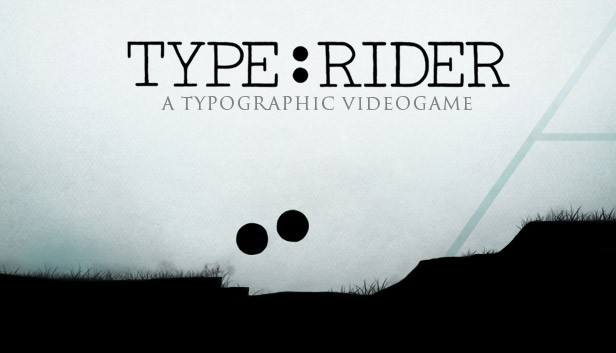
“Type:Rider” is an adventure puzzle game that immerses players, as two dots, in a journey through the history of typography. This game can help graphic design students learn the chronological evolution of fonts and typefaces in an engaging, visual format. By playing the game, students can travel through 10 worlds that represent key periods, from prehistoric cave paintings to modern pixel art, and see how typographic styles have changed. They can practice identifying famous fonts like Garamond, Helvetica, and Times New Roman by “riding” them as platforming elements, and can unlock historical archives and paintings that provide deeper context—all within a unique, art-driven puzzle environment.
It’s a Wrap!
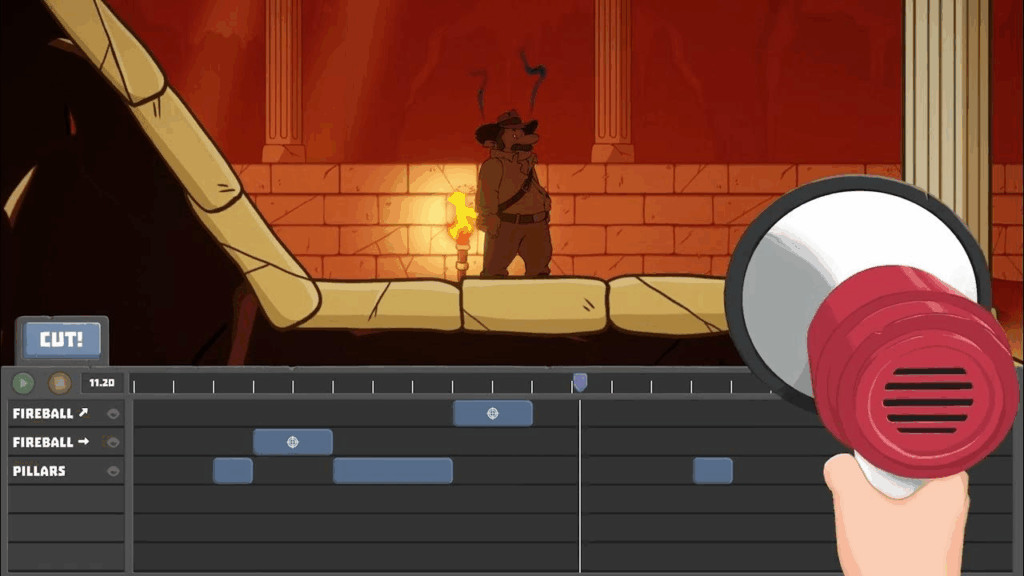
“It’s a Wrap!” is a video game that simulates the chaotic environment of a film set where players take on the role of a director managing actors, props, and special effects in real-time. This game can help aspiring filmmakers, video editors, and media production students learn the fundamental principles of timing, sequencing, and visual storytelling. By playing the game, movie-making students can master mise-en-scène through hands-on practice of synchronizing multiple elements on set, understanding cause-and-effect relationships between actions, and developing problem-solving skills under pressure. Video editing students can practice timeline-based thinking using an interface that mirrors professional editing software, refine their sense of pacing by adjusting timing down to fractions of a second, and learn how precise cuts and effect triggers create maximum narrative impact.
Cities: Skylines
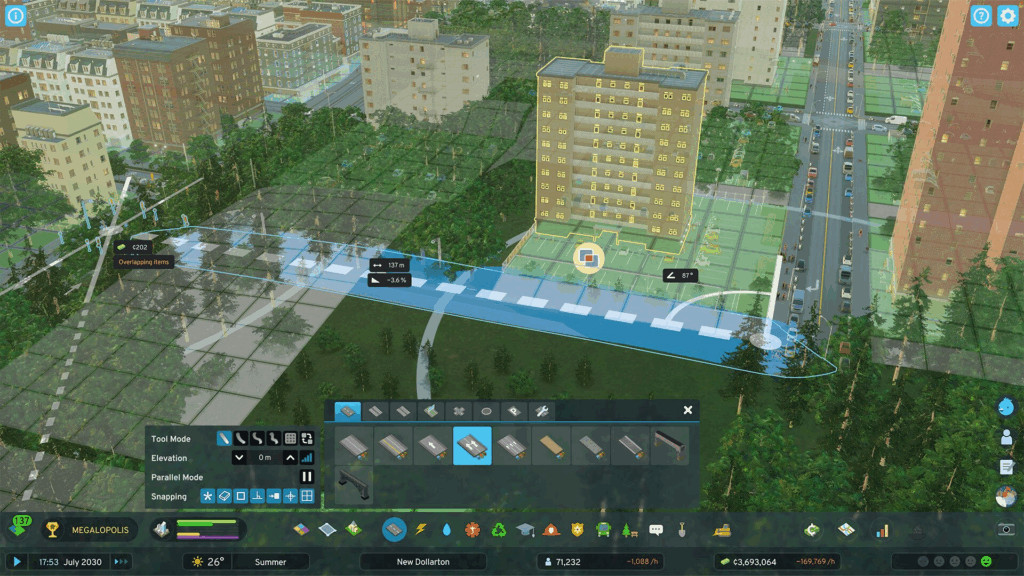
“Cities: Skylines” is a city-building simulation game that allows players to design, construct, and manage every aspect of a functioning metropolis from the ground up. This game can help urban planning students learn fundamental principles of city infrastructure, zoning regulations, and resource management in a dynamic, consequence-driven environment. By playing the game, students can experiment with different urban layouts and witness how their decisions impact traffic flow, pollution levels, and citizen satisfaction in real-time. They can practice balancing residential, commercial, and industrial zones, understand the complexities of public transportation networks, and learn how infrastructure investments affect city growth—all without real-world financial or social consequences.